
Effective Digital Marketing Strategies to Grow Your Business
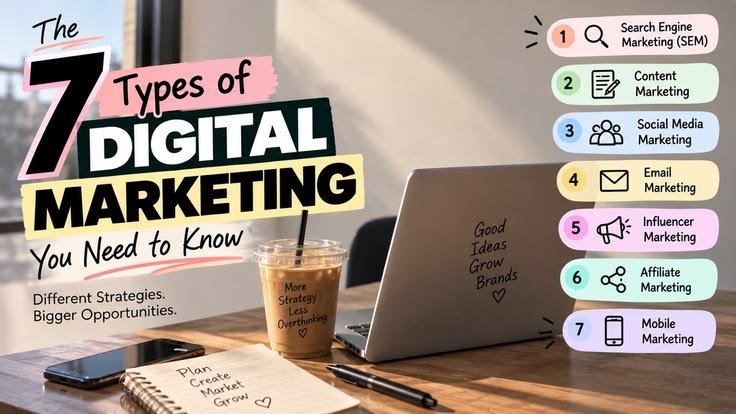
Digital marketing provides businesses with many ways to attract customers and increase sales. However, using every available platform is not always the best approach. A successful strategy starts with understanding your audience and choosing the channels that can deliver the greatest value. Here are seven effective digital marketing strategies businesses can use to grow. 1. Search Engine Optimization Search engine optimization, or SEO, helps websites appear in search engine results when people search for relevant products, services, or information. Businesses should focus on creating useful content, optimizing website pages, improving website performance, and targeting keywords that match their customers’ search intent. 2. Content Marketing Content marketing focuses on providing useful information rather than simply promoting products. Blog posts, guides, videos, case studies, and social media content can educate potential customers and help establish a business as a trusted source of information. 3. Social Media Marketing Social media allows businesses to reach and engage their target audience. The best platform depends on the audience and type of business. Rather than posting promotional content constantly, businesses should create a mix of educational, entertaining, informative, and promotional content. 4. Email Marketing Email remains a valuable channel for building relationships with customers. Businesses can use email newsletters, product updates, educational content, special offers, and automated campaigns to stay connected with their audience. The most effective emails are relevant, useful, and personalized. 5. Pay-Per-Click Advertising Pay-per-click advertising allows businesses to place ads in front of people who are actively searching for particular products or services. Because businesses generally pay when users interact with the ads, PPC campaigns can provide measurable results when they are carefully targeted and optimized. 6. Video Marketing Video content can communicate information quickly and capture attention. Businesses can use videos for product demonstrations, tutorials, customer testimonials, behind-the-scenes content, and educational topics. Short-form videos can be particularly useful for reaching audiences on social media. 7. Analytics and Continuous Improvement A digital marketing campaign should never be treated as a set-and-forget activity. Businesses should regularly review their results and identify what is working. Metrics such as traffic, leads, conversions, engagement, and return on investment can help marketers make better decisions and improve future campaigns. Conclusion There is no single digital marketing strategy that works for every business. The most effective approach combines several channels based on the company’s goals, audience, industry, and budget. Start with a clear strategy, measure your results, learn from your audience, and continuously improve. With consistent effort, digital marketing can become a powerful engine for long-term business growth.
Why Digital Marketing Is Important for Small Businesses

Running a small business can be challenging, especially when competing with larger companies. Digital marketing gives small businesses an opportunity to reach potential customers, build brand awareness, and grow without depending entirely on traditional advertising. 1. Reach More Customers The internet allows small businesses to reach people beyond their immediate local area. A strong website, social media presence, and search strategy can help a business connect with potential customers wherever they are. 2. Build Brand Awareness Customers are more likely to choose businesses they recognize and trust. Consistent digital marketing helps businesses build a recognizable brand through social media posts, blogs, videos, email campaigns, and online advertising. Over time, useful and consistent content can help establish a business as an authority in its industry. 3. Connect Directly With Customers Social media and email marketing allow businesses to communicate directly with their audience. Customers can ask questions, provide feedback, and learn more about products or services. This two-way communication can help businesses build stronger customer relationships. 4. Cost-Effective Marketing Traditional advertising can require a significant budget. Digital marketing provides businesses with multiple options at different price points. For example, businesses can start with organic social media content, local SEO, email marketing, and useful blog content before investing heavily in paid advertising. 5. Measure Marketing Results One of the biggest advantages of digital marketing is the ability to measure performance. Businesses can track website visits, leads, sales, engagement, advertising results, and other important metrics. This information helps business owners understand which strategies are producing results. 6. Compete With Larger Businesses A small business does not always need the biggest advertising budget to compete online. A focused strategy, high-quality content, excellent customer service, and a strong understanding of a specific audience can help smaller companies stand out. Conclusion Digital marketing has become an important growth tool for small businesses. From social media and SEO to email marketing and online advertising, businesses can choose strategies that match their goals and budget. The key is consistency. Instead of trying every marketing channel at once, small businesses should focus on the platforms and strategies where their target customers are most active.
The Future of Digital Marketing in 2026
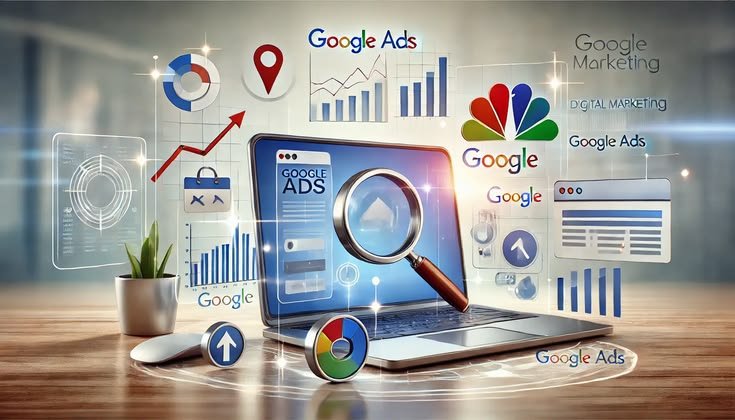
Digital marketing continues to change rapidly as technology, consumer behavior, and online platforms evolve. Businesses that want to stay competitive need to understand emerging trends and adapt their marketing strategies accordingly. 1. Artificial Intelligence Is Transforming Marketing Artificial intelligence (AI) has become an important part of digital marketing. Businesses can use AI to analyze customer behavior, generate content ideas, personalize campaigns, automate customer support, and improve advertising performance. AI does not replace the need for creative marketers. Instead, it helps marketers save time and make better decisions using data. 2. Personalization Matters More Than Ever Customers expect brands to understand their needs. Generic advertising is becoming less effective, while personalized emails, product recommendations, and targeted content can create stronger connections with audiences. Businesses should use customer data responsibly to deliver relevant experiences without compromising privacy. 3. Short-Form Video Continues to Grow Short videos have become one of the most effective ways to capture attention online. Platforms such as Instagram, YouTube, and TikTok provide businesses with opportunities to educate, entertain, and promote their products through engaging video content. A successful video does not always need a large production budget. Clear messaging, useful information, and authentic presentation can be more important. 4. Search Is Becoming More Conversational People are increasingly using conversational search tools and AI-powered platforms to find information. This means businesses need to create useful, trustworthy, and well-structured content that directly answers customer questions. Traditional SEO remains important, but marketers should also focus on creating content that demonstrates expertise and genuinely helps readers. 5. Data-Driven Decisions Are Essential Successful digital marketing depends on measuring results. Businesses should monitor metrics such as website traffic, conversion rates, engagement, customer acquisition costs, and return on investment. Instead of simply creating more content, marketers should analyze what works and continuously improve their strategies. Conclusion The future of digital marketing will be shaped by AI, personalization, video, search innovation, and data-driven decision-making. Businesses that combine new technology with creativity and a strong understanding of their customers will be better positioned for long-term success. Digital marketing is not about following every trend. It is about choosing the right strategies for your audience and consistently de